
Bad Takes
The struggle to report the Iran war and to give it the human and political context it needs

There are so many moving pieces at the moment that it is hard to give attention to everything. But some themes and trends have now emerged and I want to run through them quickly and end it with an emotional bang that goes right to the heart of what is at stake in Iran.
A New Iran?
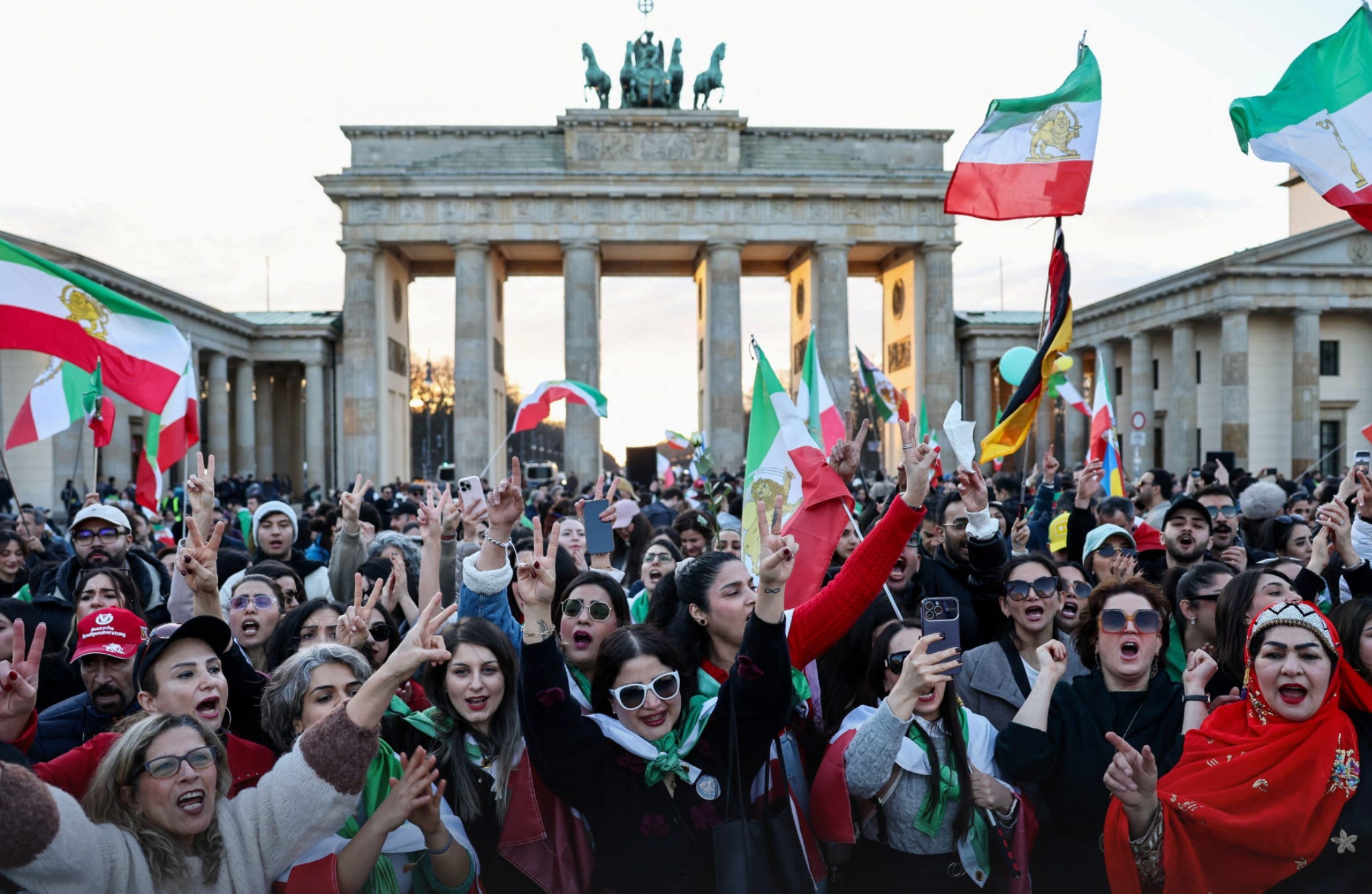
Yes, there is an incredible level of enthusiasm and gratitude that Iran’s supreme leader Ali Khamenei is no more, look for instance at the crowds in Berlin this weekend. Iranians celebrated everywhere and there were other unique signs of sheer joy, take for instance people tweeting out a photo of Salman Rushdie with the words ‘you won’. The evil beast is no more, but as with Saddam Hussein and Osama Bin Laden, I lack the ability to really start cheering. The late leader had been marked for being neutralized for a long time and while symbolically important, the search for real breakthroughs and change in Iran starts now. And it will be far from easy. A council of three has been appointed to select a successor while Ali Larijani, Secretary of the Supreme National Security, appears to be calling the shots now in Iran.
What this means is that, even after the unparalleled intelligence work of the Mossad and the CIA that wiped out not just Khamenei but a significant slice of the Iranian leadership, the power infrastructure still stands. It is like slaying the multi-headed dragon, you cut off one or two of its heads and new ones instantly emerge. No collapse Nazi Germany style after Hitler’s suicide: the Islamic Republic has been around for forty-seven years, not twelve, and the power structures are so entrenched into society that it is hard to dislodge them. A well organized and armed opposition force might have a chance, but none that has the capabilities to do this is readily available yet.
And it may well be that the Trump administration whose 2025 National Security Policy specifically rules our ‘boots on the ground’ doesn’t care what is next. Maybe the remnants of the IRGC can provide a viable and compliant alternative to work with, the military may take control and agree to a ceasefire, or the chaos Iran just continues internally without posing an external threat for the foreseeable future. And that then begs the question for how long the massive US military apparatus will remain deployed and operational in the Middle Eastern theatre.
Global Context
That brings me to the argument made by Moroccan and US-based foreign policy analyst Zineb Riboua who points out that the attack on Iran has to be seen as part of the American strategy for China. It is putting some pressure on Xi ahead of Trump’s visit to China (March 31-April 2) by toppling one of Beijing’s key economic and military partners. Moreover, a rapid end to hostilities in Iran would allow Trump to move a large section of US firepower to the South China Sea: Taiwan is still very much at play. And I would add that Ukraine is also part of the discussion, yet very few mention it. Russia will now have to go without the Iran-manufactured Shahed drones of which it has so far used some 6,000 in the war with Ukraine. That stream of weaponry, at $193k a pop, could soon come to an end.
It is this sort of deeper and broader analysis that is often lacking in mainstream media outlets. It is on both sides of the ocean littered with platitudes, but also with many ‘bad takes’ like the one that focuses on Trump launching the attack to divert people away from the Epstein files. I take these monocausal explanations with a huge grain of salt, they bring me back to Bill Clinton launching cruise missiles at Saddam Hussein during the peak of the Monica Lewinsky affair. Sure, maybe, but probably irrelevant.
Doubt
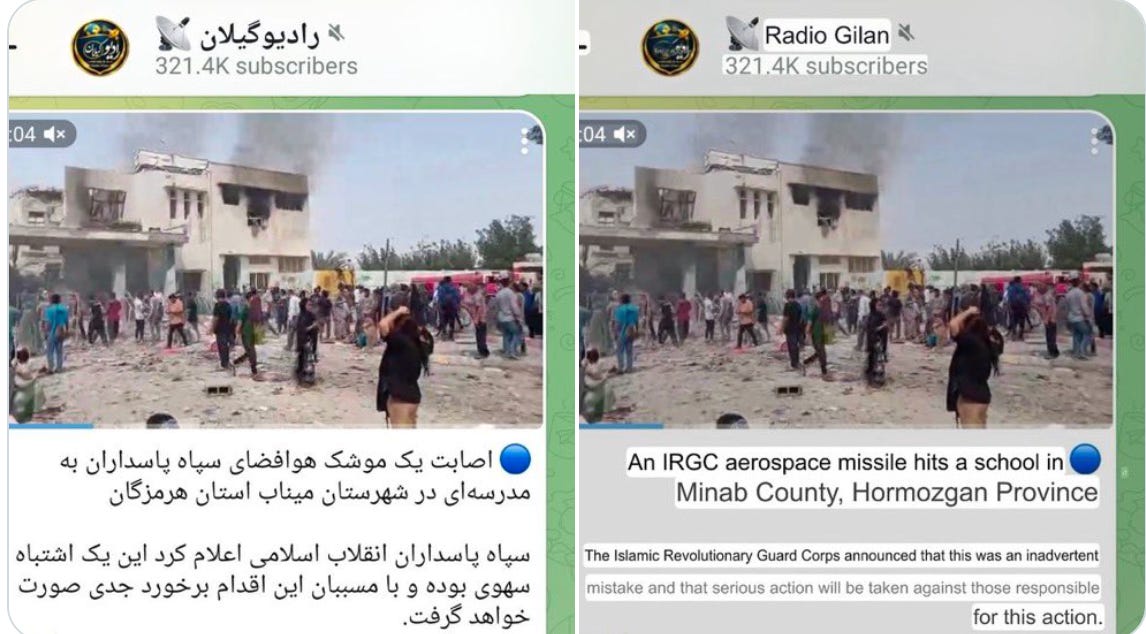
But of course we are in a war where disinformation or ‘uninformed takes’ are quickly disseminated and we all make some mistakes. I reported on the girls’ school in Iran that had come under fire and where multiple casualties apparently had occurred. This was qualified as fake news - see the image, but even that was subsequently doubted - while at the same time al-Jazeera and the BBC reported it and so the story kept floating around. I did some research and ran it through some AI platforms, but it is as of today unclear whether it was an American, Israeli or indeed a misfired IRGC missile that hit the school. We just don’t know yet and Iran’s internet has gone dark which creates another opportunity for guesswork and misinformation. Moral of the story: take every piece of battlefield news with a grain of salt and wait with recycling it. Someone somewhere will correct it.
Bad Takes
Now let me return to the quality of reporting where in particular European media often struck a neutral tone over the past few days. A good example would be, when talking about Khamenei, describing ‘a fatherly figure and spiritual leader killed in Israeli attack’ Or suggesting that Iran funded Hezbollah and Hamas as a line of defence to protect itself. You get the drift, not everyone was celebrating while trying to flip the narrative and make Israel the evil actor.
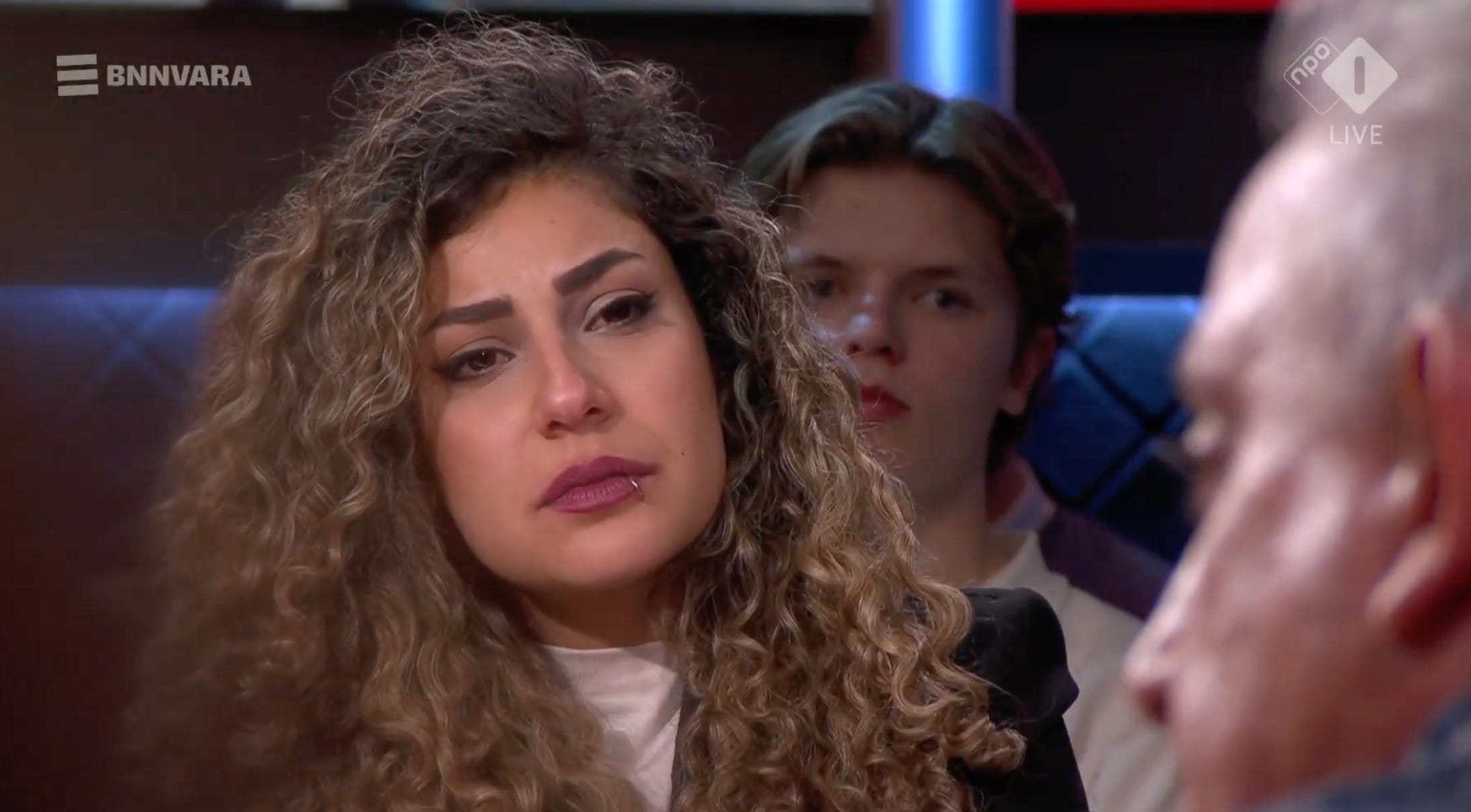
Worse are the endless, and again you have to be in Europe to get the full scope of it, reiterations that the attack has no basis in international law. Last night on Dutch TV in one of the most watched talkshows a group of politicians and experts were joined by two Iranian refugees: Keyvan Shahbazi and Negin Nafissi.
Shahbazi and his family in particular have suffered immensely under the repression, endless intimidation and unimaginable torture. During the chat the foreign policy experts kept going down the rabbit hole of the legitimacy of the war, until Shahbazi asked where international law was for all those tortured and killed by the Khamenei regime. He put it pretty directly to the rest of the panel and the audience: “international law is a European fantasy”. For good measure he added that Israel and Iran are historically intertwined as peoples and that he carries no animosity to Israel at all, on the contrary.
But then it happened. The interviewer then asked Nafissi and Shahbazi if they wanted to return to Iran. After some silence Nafissi said she never wanted to flee her homeland and then broke down in tears and the panel went quiet. Shahbazi’s tears came as well and he explained there was nothing for him there anymore while outlining the intense suffering he and his family had endured.
I have seldom seen such a piece of television that not only hit emotionally, but that also made it visible as to how deep the gap is between the predominant mainstream thinking about Iran and the gruesome realities that Iranians have endured over the years. Dutch ‘X’ is on fire today of what happened in the show and I share the end of it in a short video here. It is in Dutch, but you don’t need to understand the words, just look at these two incredible human beings who share their deepest feelings and traumas live on TV:
The question of the war is not one of legality, but one of humanity and who has paid the price already. Let’s hope for some better media takes in the weeks and months ahead.
Ach deze Iraniërs..Dank je voor het delen! 🙏🏽
This is an overdue action so I'm supportive of the Trump administration move here. The only thing that bothers me is the long term game plan---the Trump admin is so erratic I worry they drop the ball at some point. Being partnered with Israel should provide stability though. And I really hope the Iranian people and Israel can find some peace finally.